Prime Dine Vibe

Our story

A restaurant planned around the table

Prime Dine Vibe began with a simple frustration: the best family-style cooking and the best Chinese and Asian dishes were never served in the same room, at the same standard.

“Why should a family have to choose between biryani and dim sum?”

The question we started with

Our founders spent years eating out with large, multi-generation families. Every outing involved the same negotiation: grandparents wanted a proper kacchi or a mustard fish curry, the younger crowd wanted Chinese or Thai, and someone always went home disappointed.

So we designed a restaurant that refuses to make that trade. Three kitchens, each led by a specialist, cooking under one roof and sending dishes to the same table. It is harder to run — three sets of equipment, three supply chains, three styles of training — but it means a family can order exactly what they love and still share every plate.

We also wanted the room itself to feel special without feeling stiff. That meant linen and good glassware, but also comfortable booths, warm lighting and staff who know regular guests by name. A four-star standard, with the warmth of a family dinner.

Today the dining room seats ninety guests, with three private rooms for celebrations and business dinners. The menu changes with the seasons, but the idea has not changed at all: come hungry, order widely, and stay as long as you like.
What we hold to

Four promises we keep at every service

Cook it properly

No shortcuts that change the taste. If a dish needs three hours, it gets three hours.

Serve it warmly

Attentive, informed service — present when you need it and invisible when you don’t.

Source it carefully

Daily fish, trusted halal meat suppliers, and spices we roast and grind ourselves.

Price it honestly

Clear menu prices, VAT and service charge shown plainly, and portions that match what we describe.

The people

Specialists in every kitchen, hosts on every floor

Each kitchen is led by a head chef with years of experience in their cuisine — Chinese wok cookery, pan-Asian and dim sum, and traditional home-style cooking. Our floor team is trained across the full menu, so any server can explain how a dish is made and what it pairs with.

We train continuously: tasting sessions before every seasonal menu change, allergen and food-safety training for all staff, and service workshops that focus on reading the table rather than following a script.

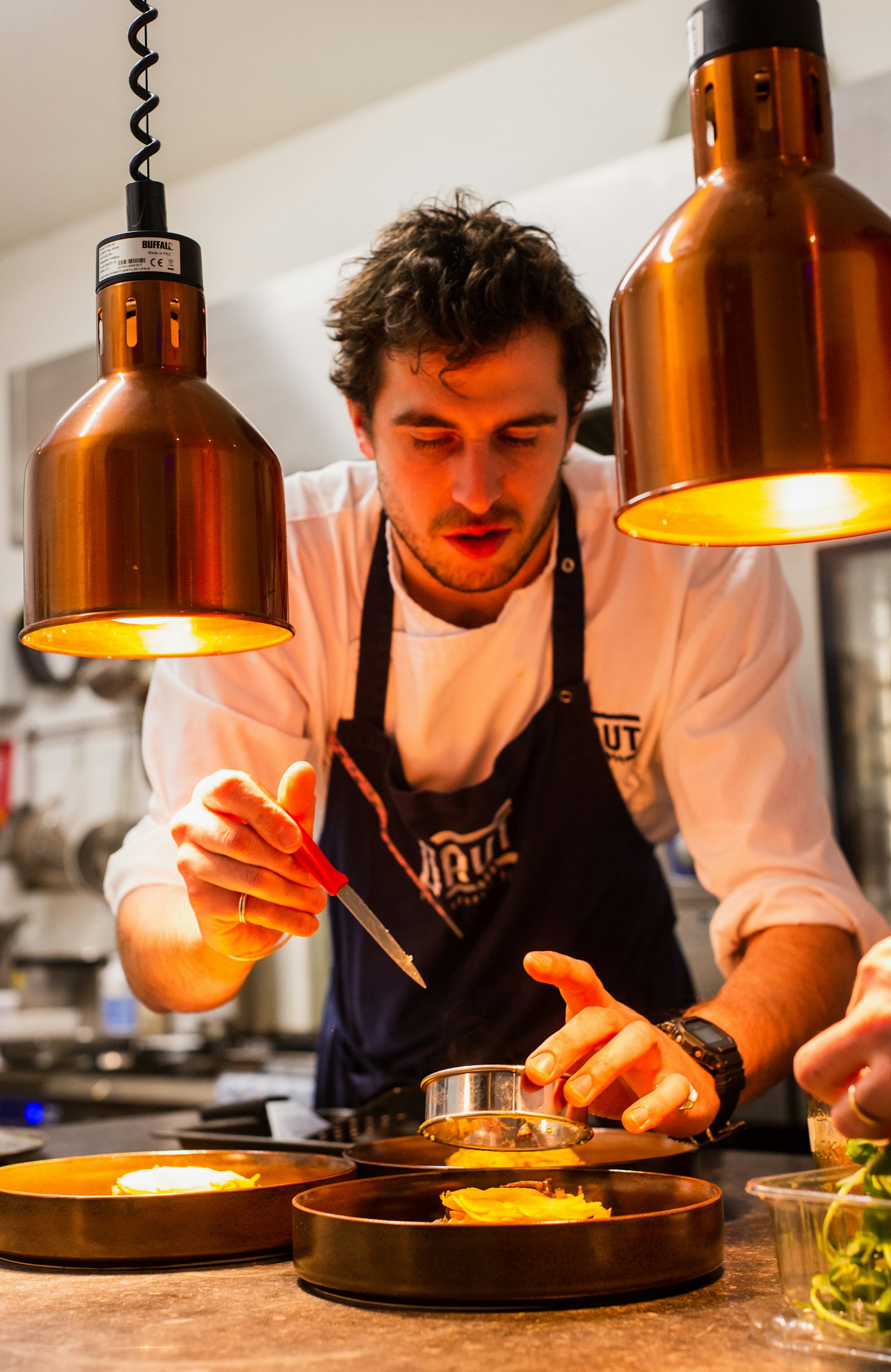
Chef in a black apron preparing food at a restaurant pass

At the pass

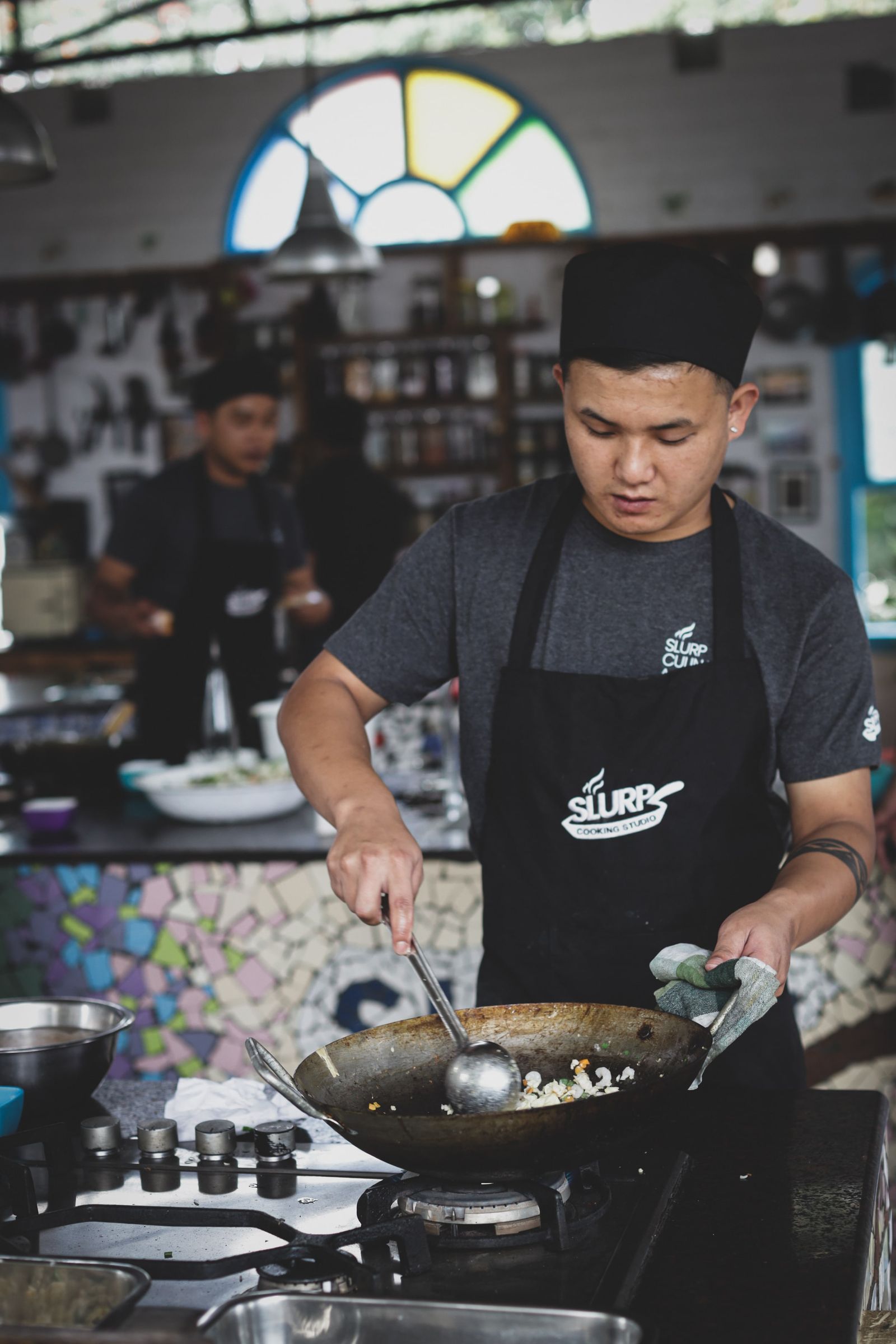
Asian chef cooking in a busy restaurant kitchen

On the wok line

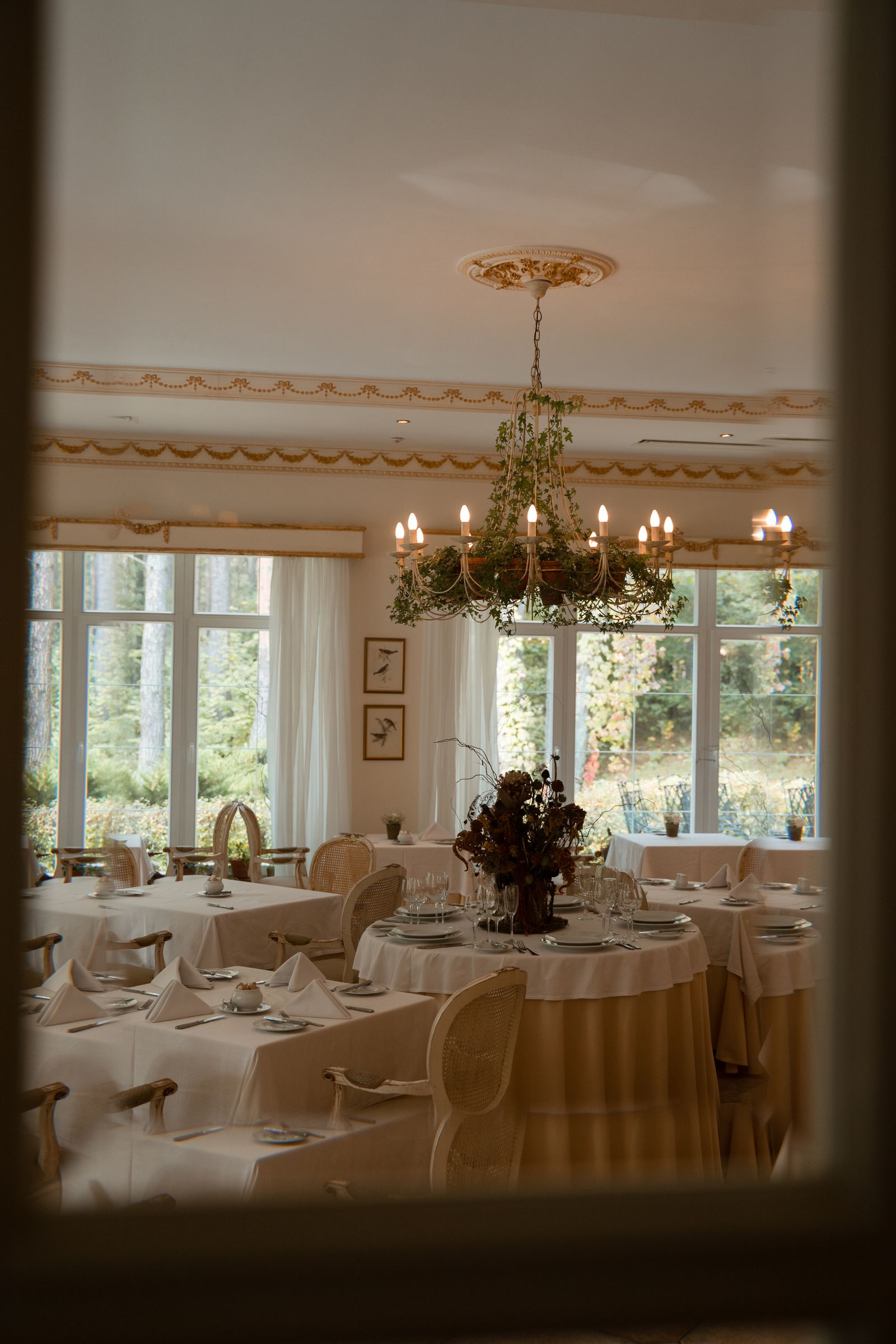
Elegant dining room with a crystal chandelier and set tables

The dining room

Designed for conversation

The room is dressed in deep green, brass and warm timber, with soft pools of light over each table rather than a bright ceiling wash. Tables are spaced generously so you can talk without leaning in, and acoustic panels absorb the clatter that makes many restaurants exhausting.

Booths along the wall suit families with young children. Round tables with lazy Susans make sharing easy for groups of six to twelve. The bar counter is reserved for solo diners, quick lunches and anyone who enjoys watching the room.

Come hungry. Order widely. Stay a while.

Scroll to Top