Our kitchens
Each kitchen has its own head chef, its own equipment and its own rhythm. They share a pass, a pantry and one rule: nothing leaves until it tastes right.
Kitchen I
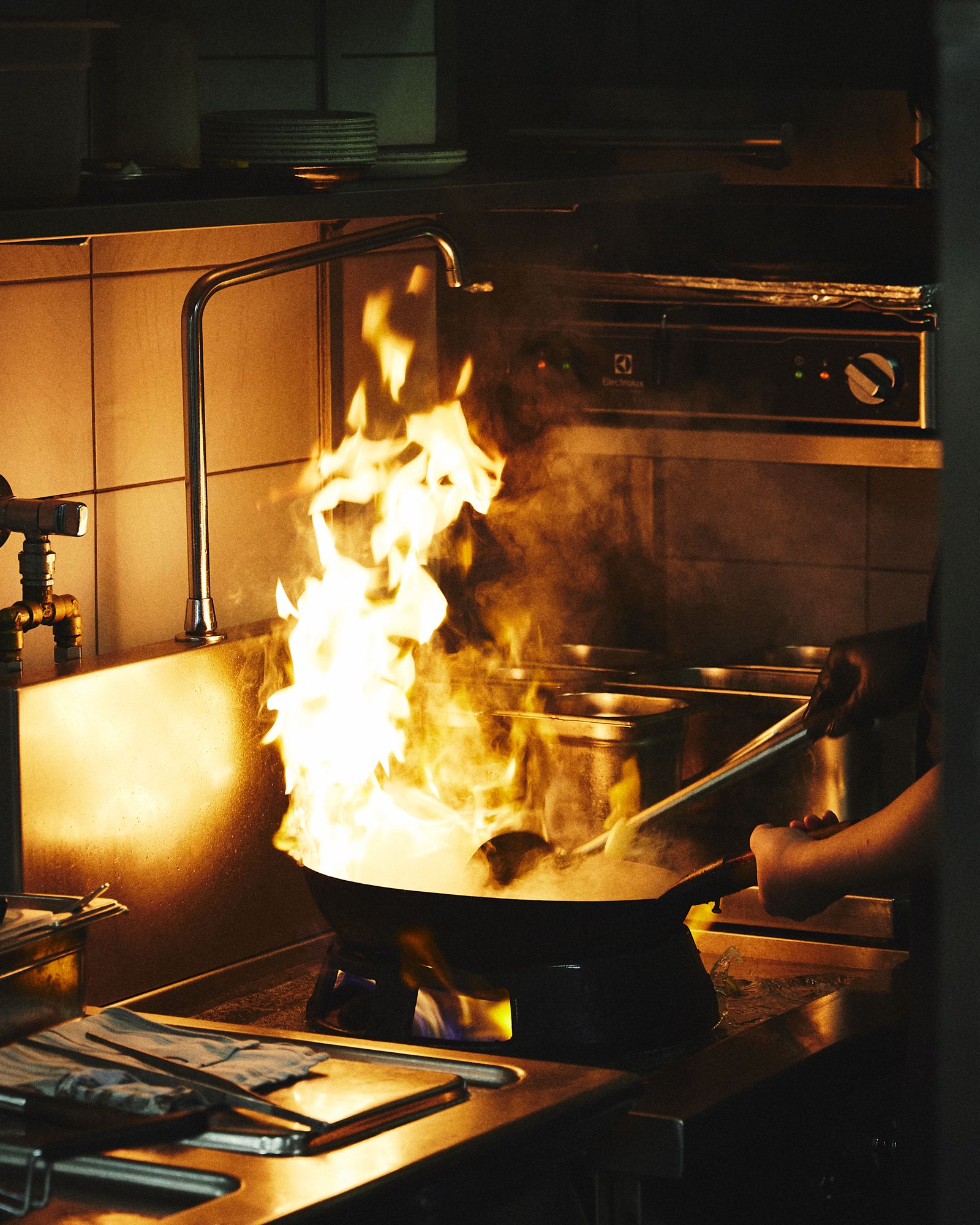
Our wok station runs on high-pressure burners that reach temperatures a home stove never will. That heat is what creates wok hei — the smoky, slightly charred breath that makes a good stir-fry taste alive rather than stewed.
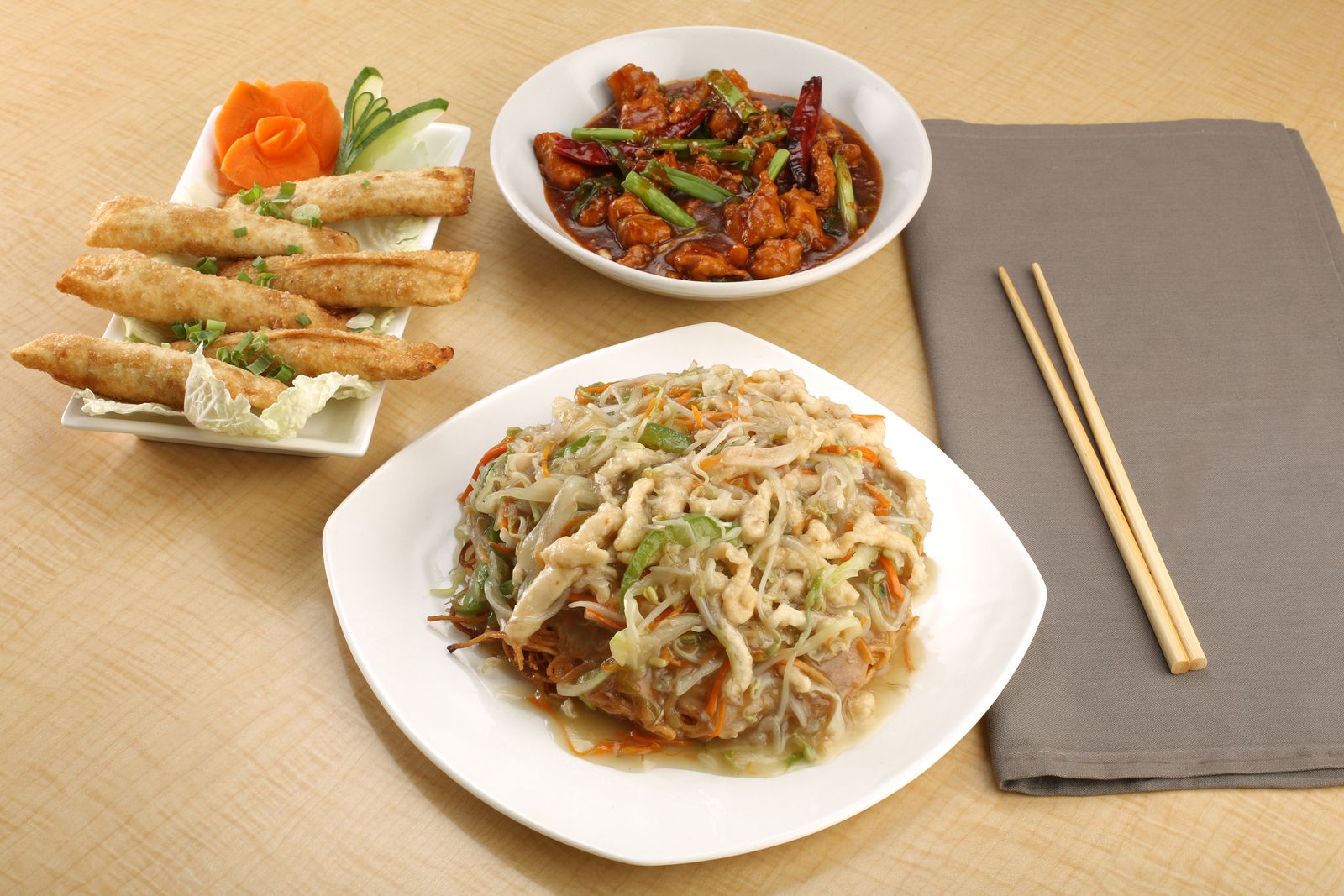
The menu leans Cantonese and Sichuan: glossy kung pao chicken, numbing pepper beef, salt-and-pepper seafood and noodles tossed by hand. Sauces are made in-house every morning — black bean, chilli oil, XO-style dried shrimp sauce and a master stock that is topped up, never thrown away.
Because wok cooking is so fast, everything is prepped before service: vegetables cut to the same size, meat velveted, aromatics measured. When your order arrives, it takes under ninety seconds from pan to plate.
Kitchen II
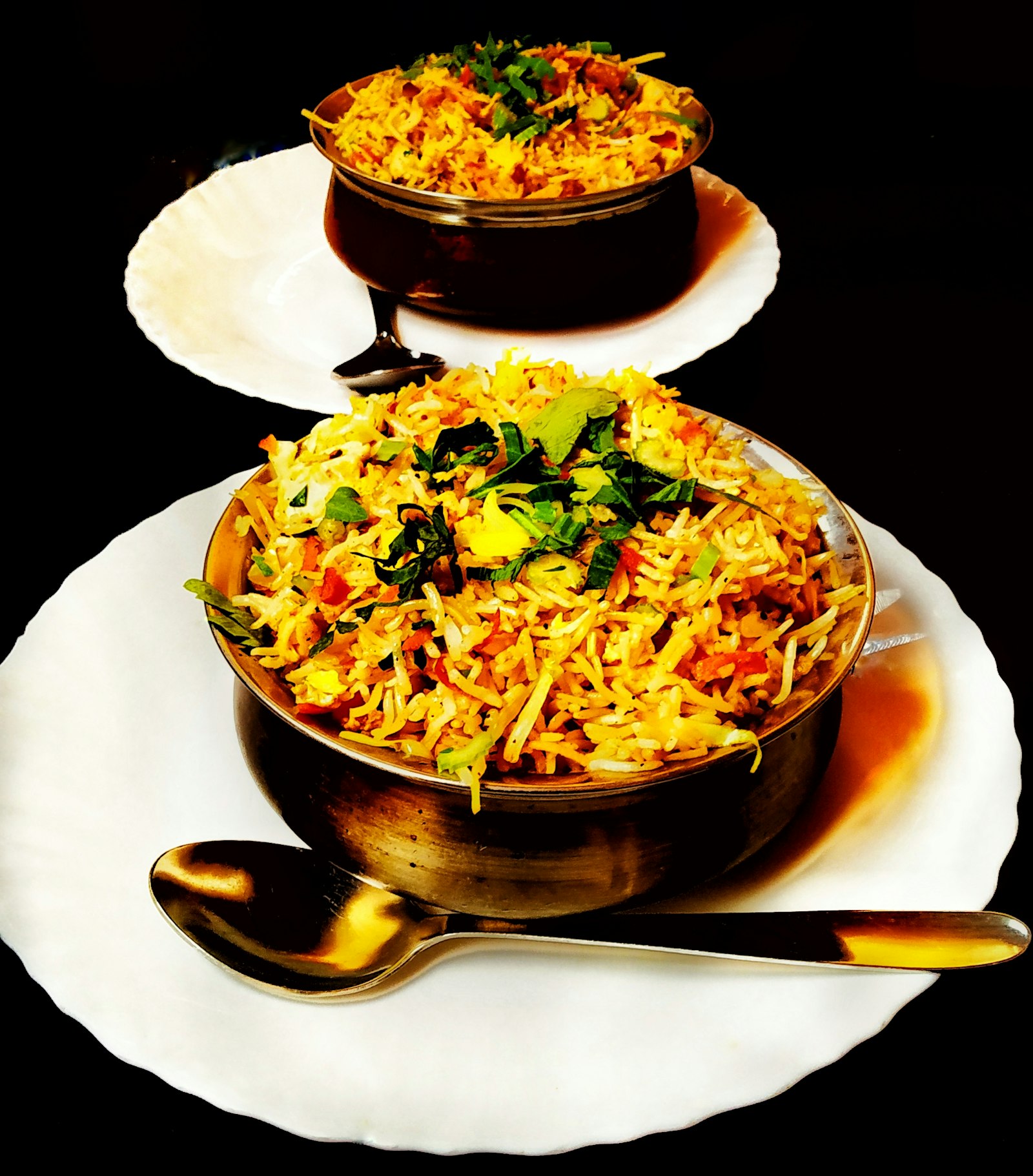
Some dishes cannot be rushed, and this kitchen exists for them. Kacchi biryani is assembled raw — marinated mutton below, par-boiled rice above — then sealed with dough and cooked slowly on dum until the meat is tender and the rice has absorbed every drop of fat and saffron.
Our bhuna dishes are fried patiently until the spices darken and the oil separates. Fish curries use mustard ground fresh each morning. Polao is made with short-grain aromatic rice and finished with ghee, fried onion and a little rose water.
These recipes come from home kitchens, and we cook them in home-sized batches several times a day. When a pot is finished, it is finished — which is why regulars book early for biryani nights.
Kitchen III
This is our lightest, most precise kitchen. Dim sum is folded by hand every morning — pleated har gow, open siu mai, soup dumplings with exactly eighteen folds — and steamed in small batches so nothing sits.
Thai curries begin with pastes pounded from fresh lemongrass, galangal, chilli and lime leaf. Japanese-inspired small plates and salads balance the richer dishes from the other two kitchens.
The same team runs our dessert section: rasmalai made from fresh chhena, mishti doi set overnight in clay pots, mango sticky rice in season, and teas boiled the slow way.
The pantry
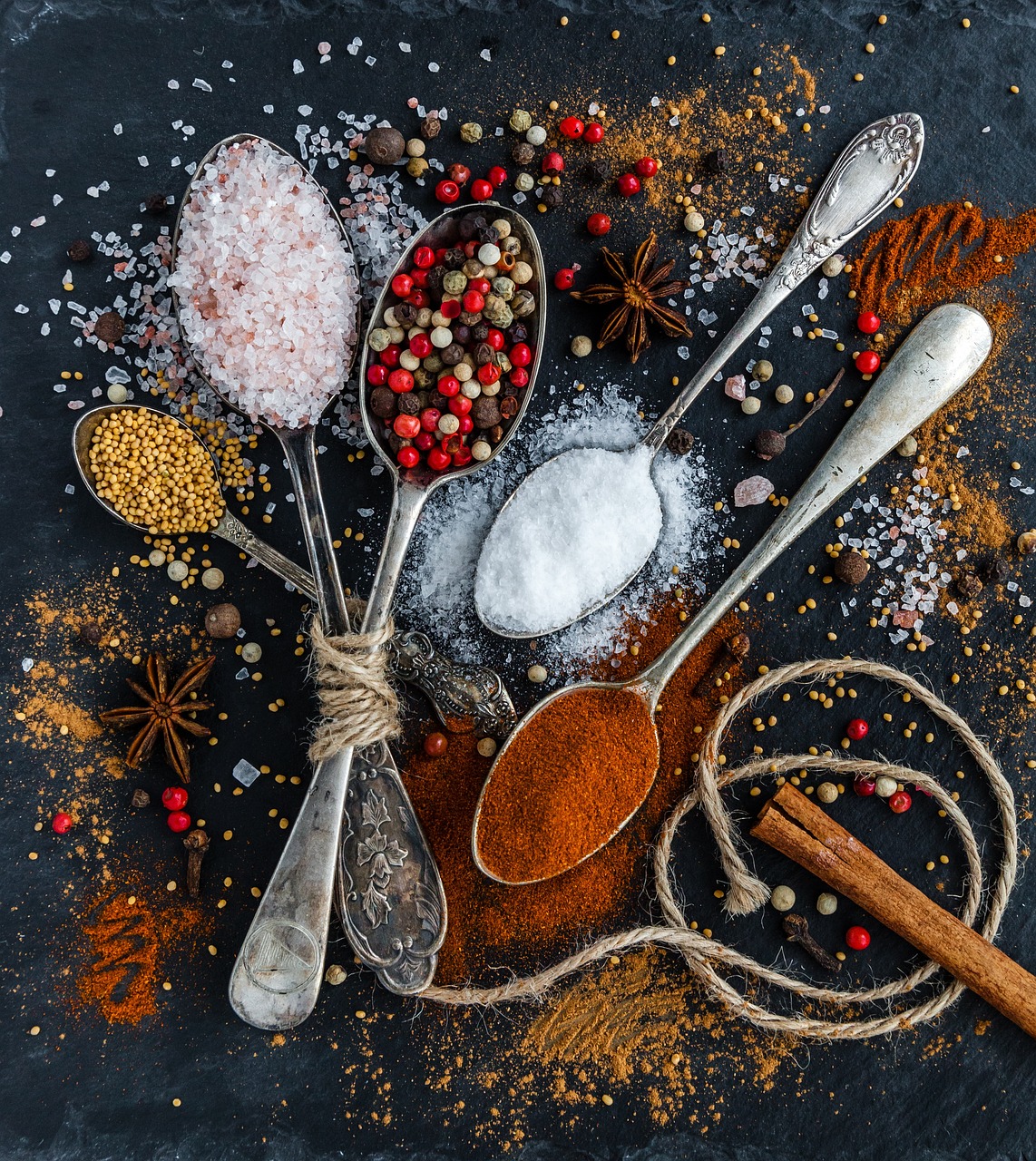
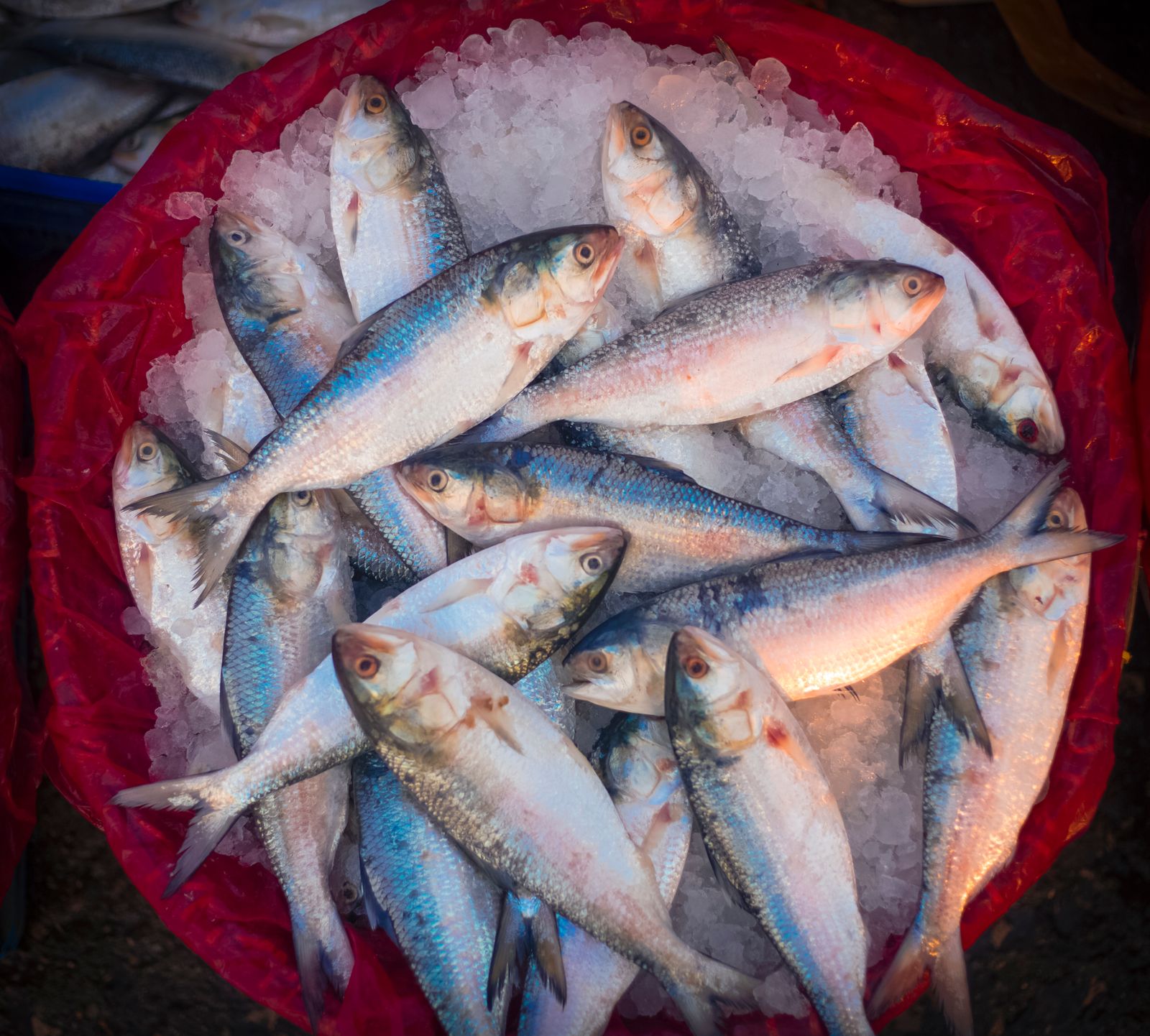
We buy fish daily and meat several times a week from suppliers we visit in person. Whole spices are bought in small quantities, dry-roasted in our own kitchen and ground as needed, so the flavour in your curry is days old, not months old.
Rice is aged basmati for biryani and fragrant short-grain for polao. Mustard oil is cold-pressed. Soy sauces, vinegars and Sichuan peppercorns are imported from specialist suppliers so our Chinese dishes taste the way they should.
How a dish reaches you
01
Your server notes allergies and spice preferences and routes each dish to the right kitchen.
02
Each kitchen times its dishes so sharing plates reach your table together, not one by one.
03
Every plate stops at the pass, where a senior chef checks seasoning, temperature and presentation.
04
Food leaves the pass within a minute. Heritage dishes are served in warmed handis and bowls.